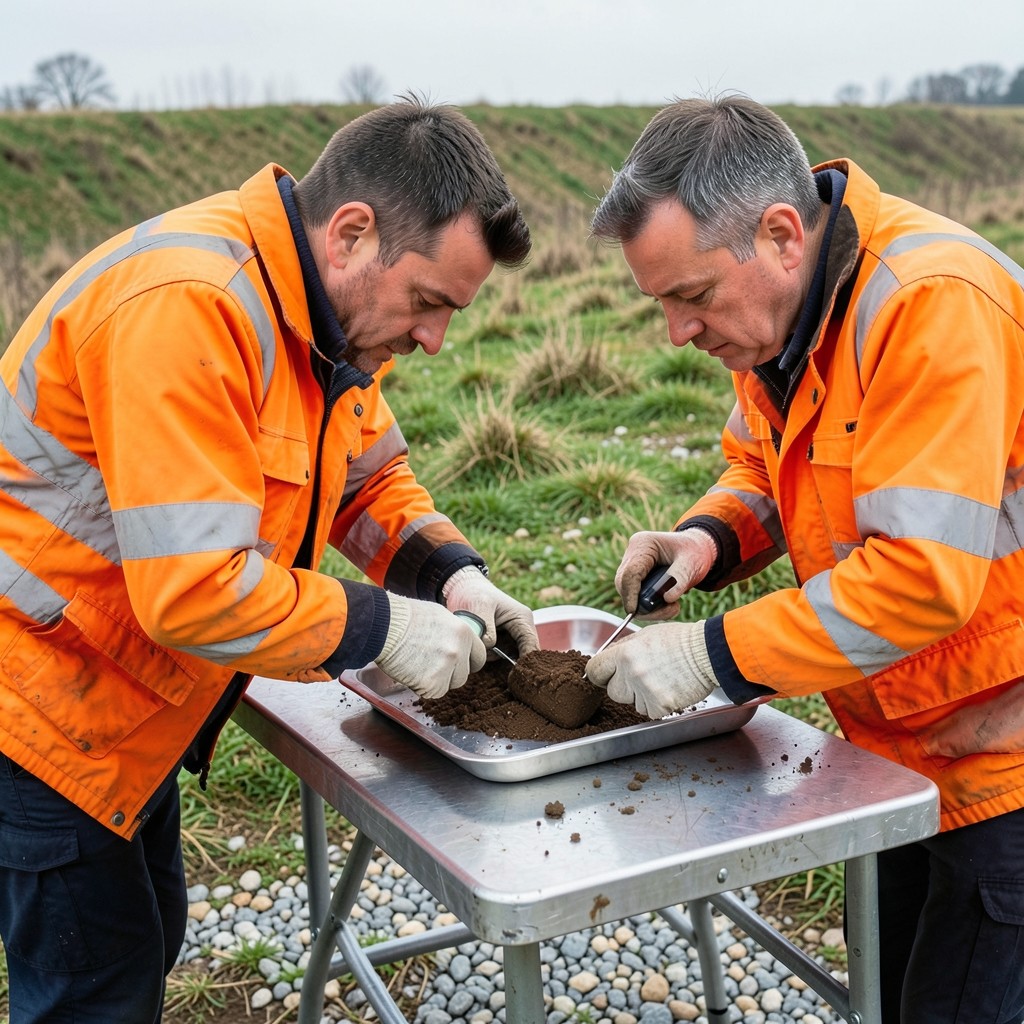
Site Investigation Practice Workshops
Hands-on workshops on borehole planning, trial pits, sampling methods, and writing factual reports that site teams and designers can actually use.
Birmingham · United Kingdom
Ridgehub Geotechnical Engineering School prepares engineers and graduates to classify soils, read investigations, and design with the water table in mind—not only the textbook ideal.
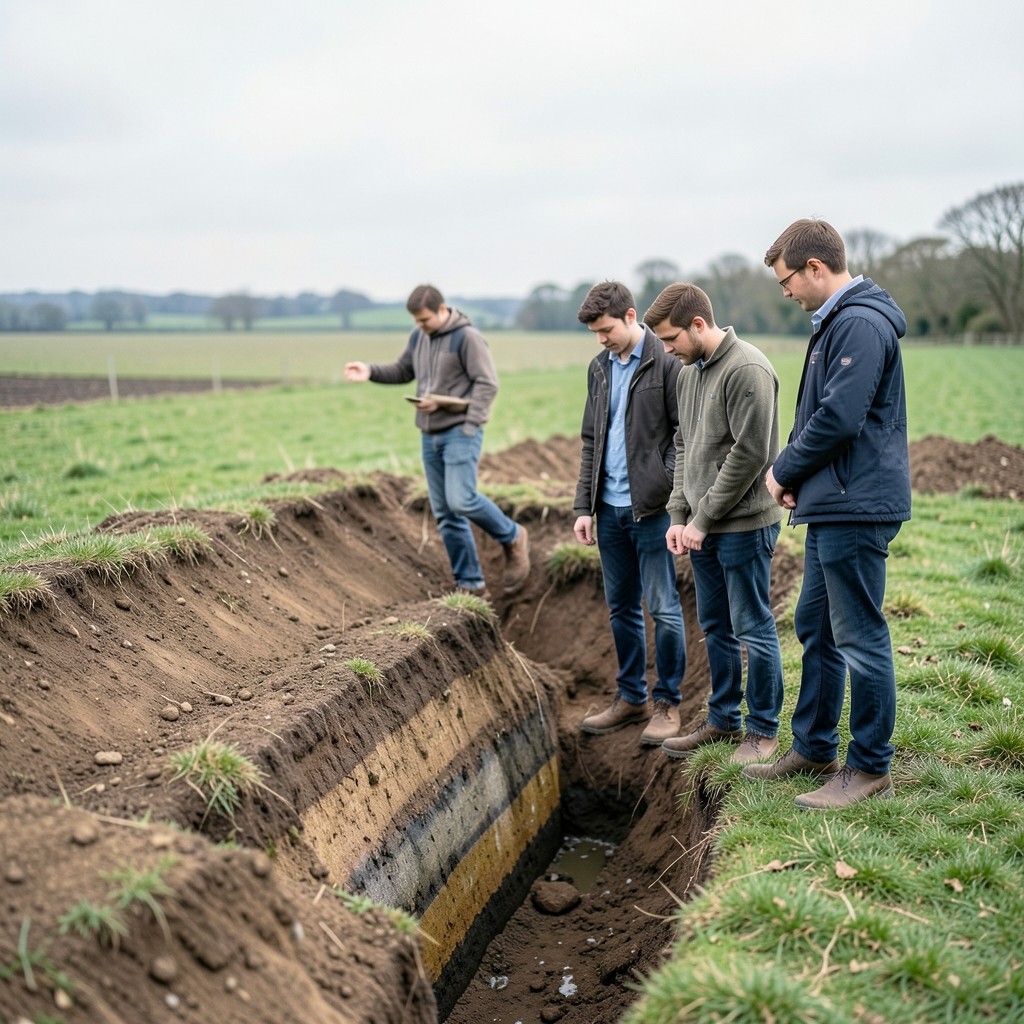
Our flagship six-week programme pairs soil mechanics theory with supervised laboratory practicals so you can defend classification and settlement checks on live projects.
For civil and structural engineers moving into ground engineering, and graduates who need laboratory confidence before they sign off shallow foundation notes.
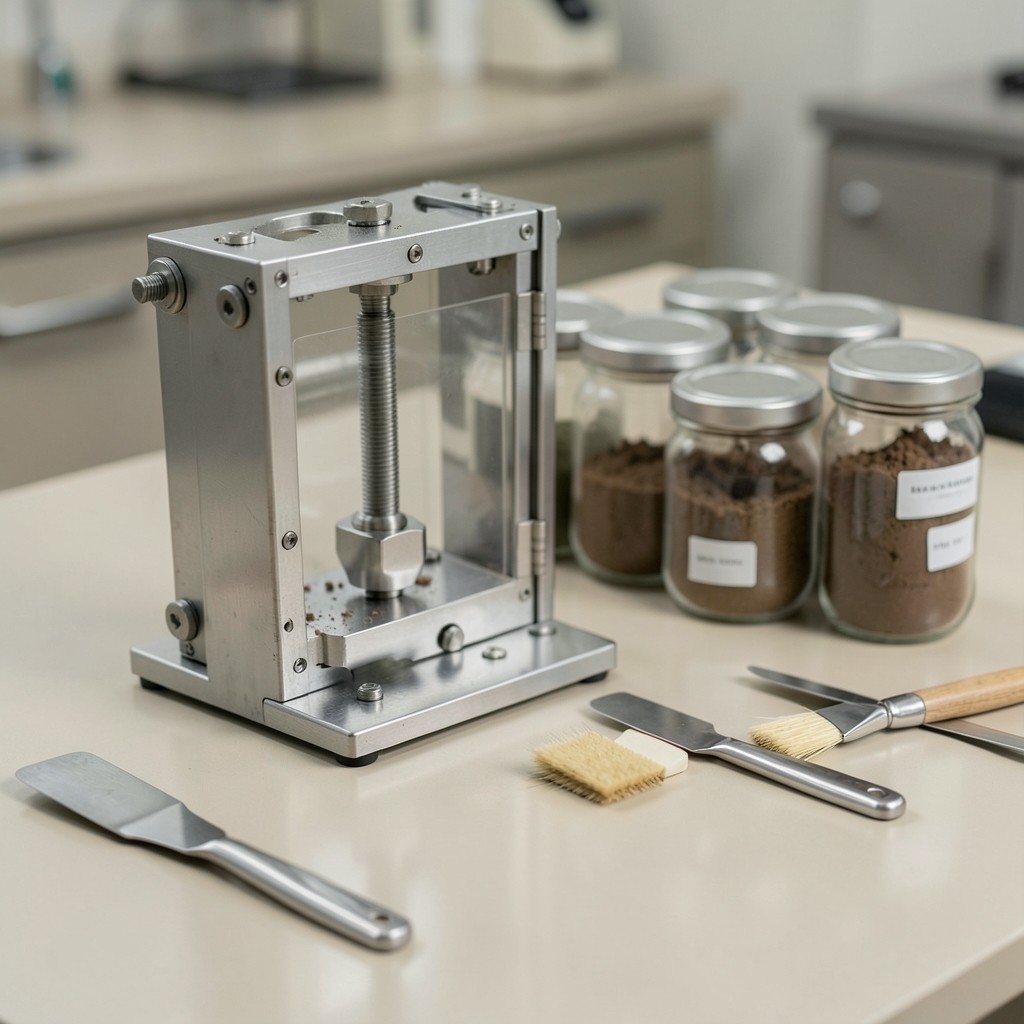
Short courses and workshops that sit beside the foundation programme—site investigation practice, retaining structures, laboratory schedules, and field logging.
Hands-on workshops on borehole planning, trial pits, sampling methods, and writing factual reports that site teams and designers can actually use.
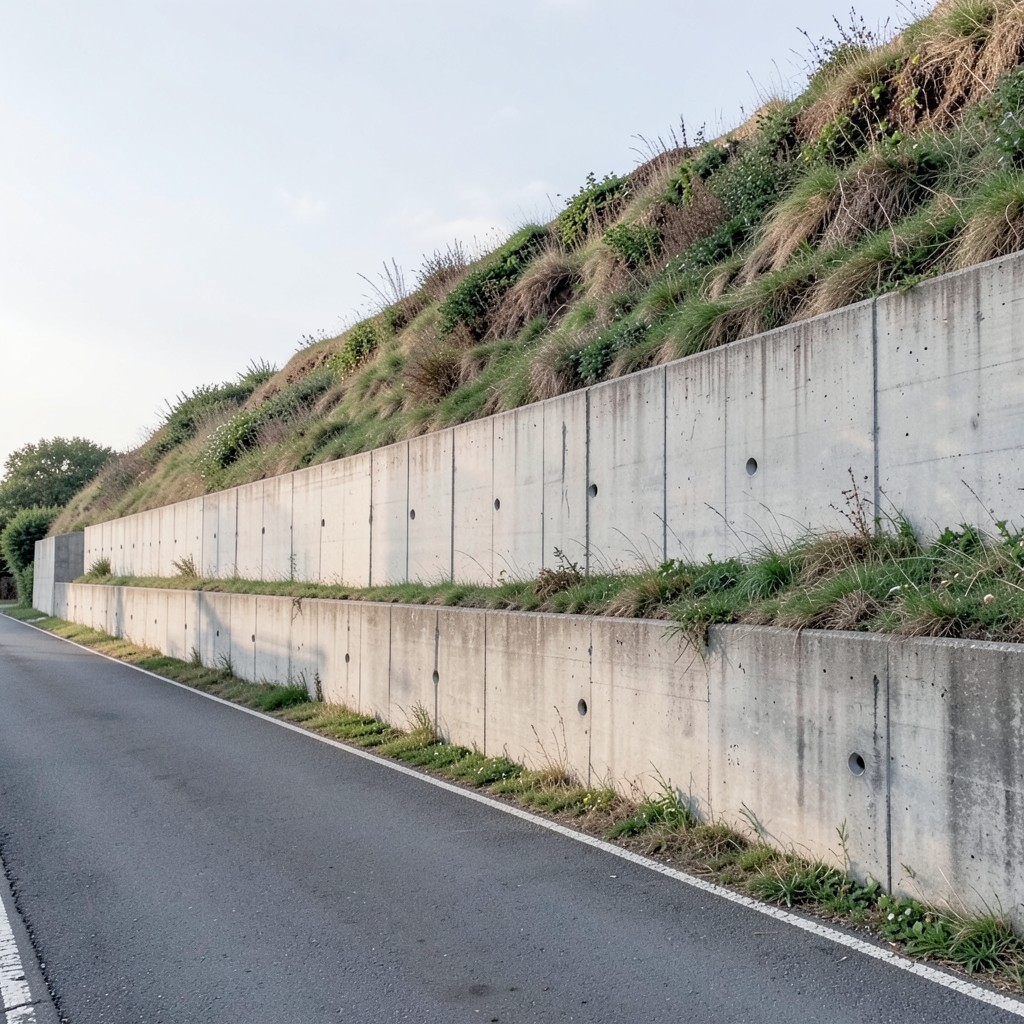
Focused CPD on limit equilibrium methods, drainage detailing, and when a retaining wall needs specialist numerical analysis.
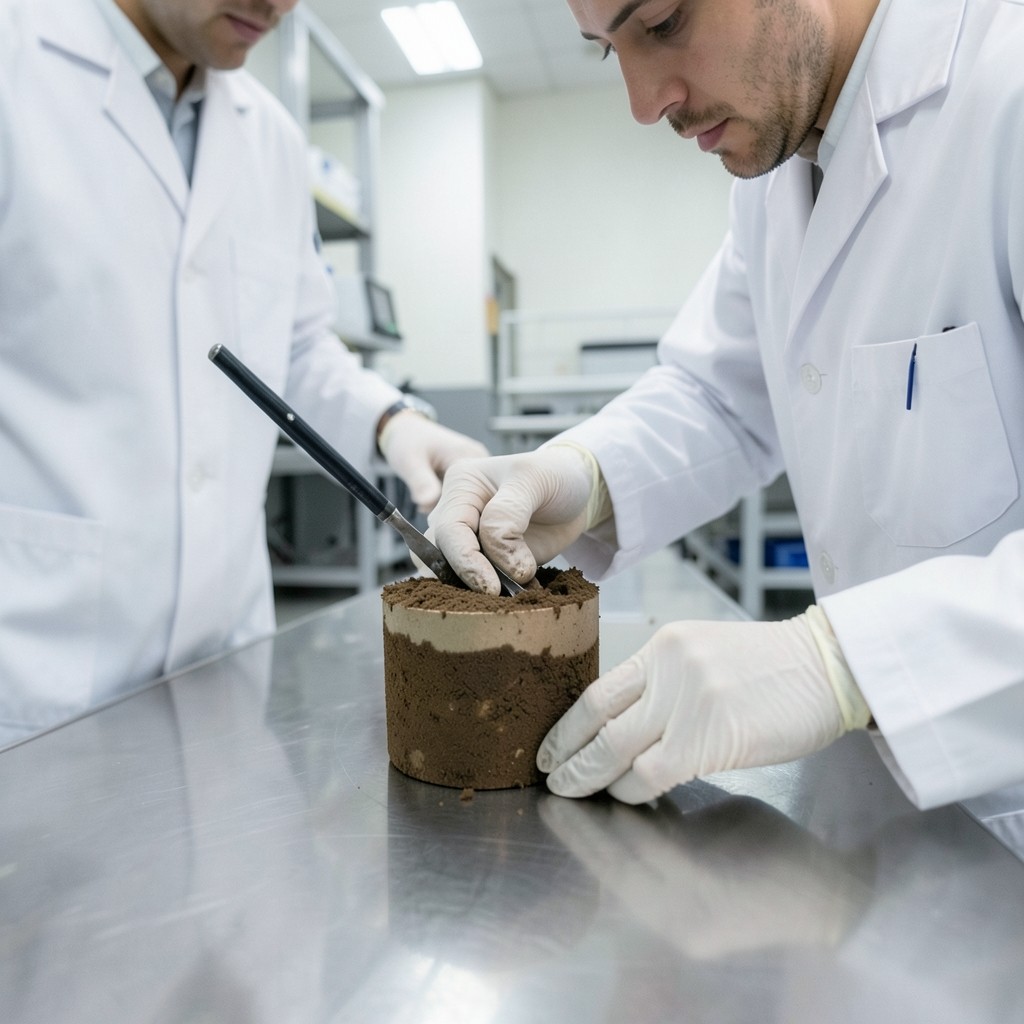
Practical training on scheduling tests, witnessing procedures, and spotting unreliable results before they reach a design report.

Field-focused tuition on describing soils and rocks to BS EN ISO standards and turning logs into ground models that hold up in review meetings.
Engineers leave with clearer borehole reading habits, laboratory schedules that match the ground model, and retaining-wall drainage details that survive site inspection.
Read longer project notes on the stories page, or skim recent guides on logging and groundwater.
“The shear box afternoon finally connected the textbook curves to the samples we see on Midlands sites.”
Amira Haddad
Tell us your role and which course you have in mind. We reply within two working days with dates and a place offer.