Why Drainage Behind Retaining Walls Still Fails on Site
Common detailing mistakes that leave walls holding water they were never designed to resist.
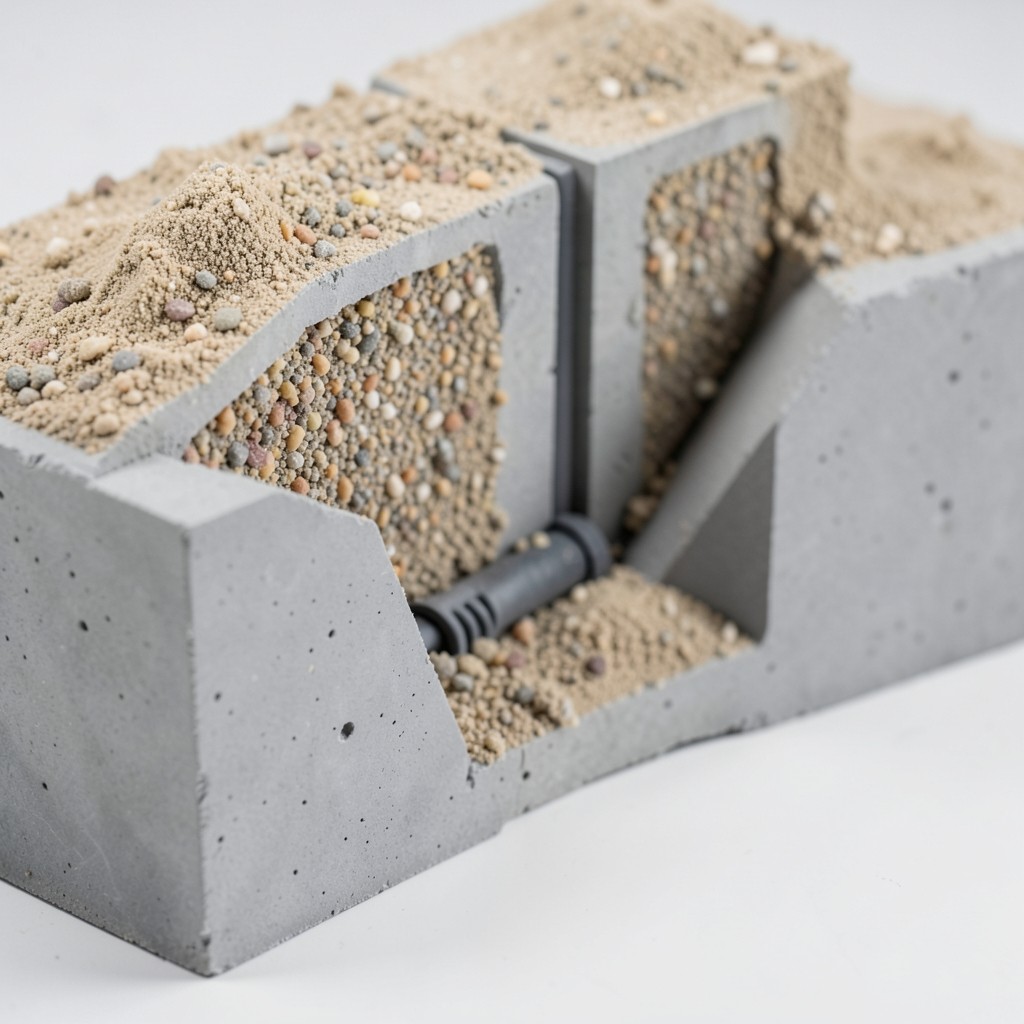
Design calculations often assume a drained backfill. Site practice sometimes delivers compacted clay with a perforated pipe that never reaches an outlet.
Specify the filter grading and the wrap orientation. Geotextile placed the wrong way around fines-rich backfill will clog within a season. Require photographic evidence of the outlet before the facing is closed.
Weep holes alone rarely replace a continuous collector drain. On long walls, check levels so water does not pond at mid-span behind the stem.
During Ridgehub CPD sessions we walk through three West Midlands case histories where hydrostatic pressure—not soil strength—drove the distress. The remedy was almost always drainage reinstatement, not a thicker stem.
If you inherit a wall with damp patches and displaced copings, measure water levels in temporary standpipes before you commission a structural crack survey. The ground may be telling you more than the concrete.
Prefer to practise this on a course?
Browse open programmes or ask which cohort fits your role.
View courses