Reading Borehole Logs Without Missing the Soft Spots
How to cross-check SPT blows, moisture descriptions, and sample recovery before you trust a ground model for foundation sizing.
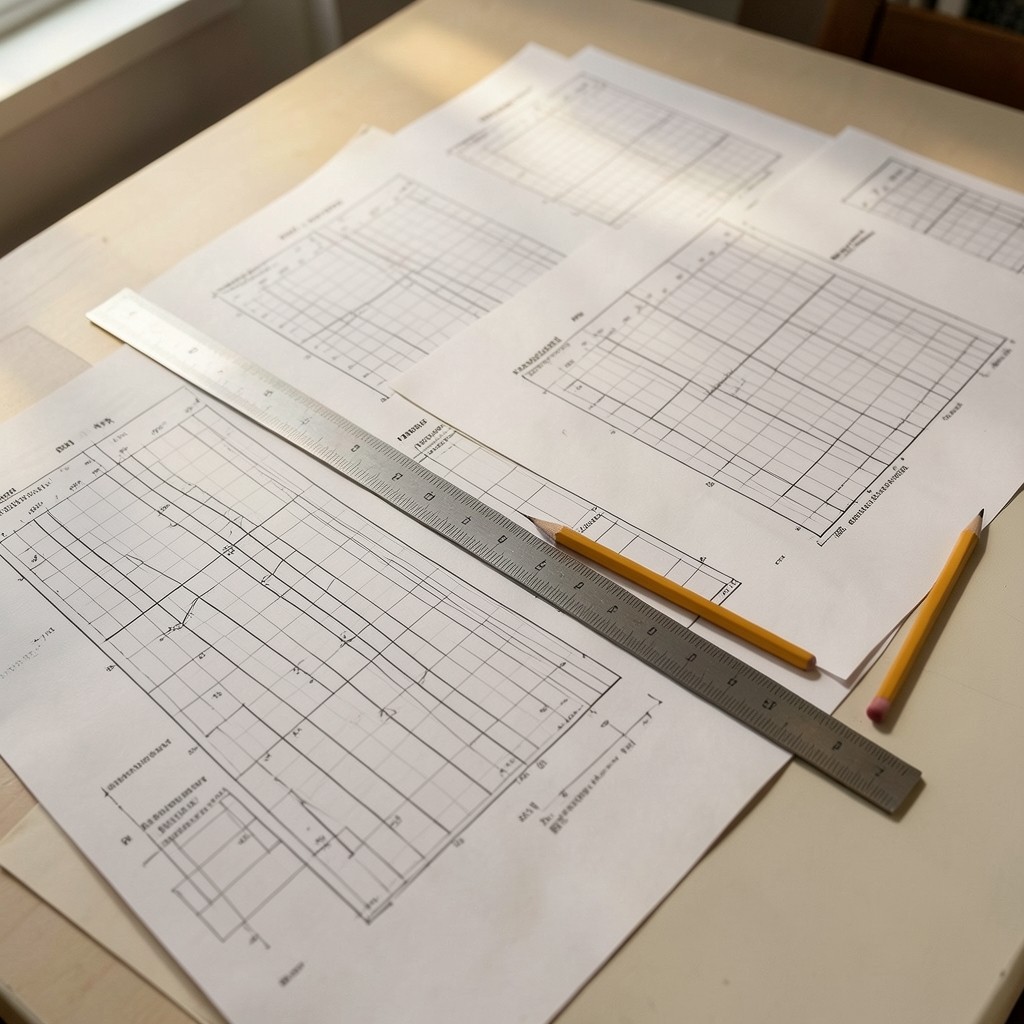
A borehole log is a conversation between the logger and everyone who will never stand on that drill pad. When the conversation is incomplete, designers fill the gaps with optimism.
Start with recovery percentages and sample types. Continuous soft clay with intermittent disturbed samples tells a different story from the same description backed by undisturbed tubes. Note where casing depth changes; sudden sand entries often sit just below those shifts.
SPT N-values need context. A low blow count in made ground near a former tank farm is not the same as a low blow count in a natural alluvial clay. Write the stratum name beside the number before you plot anything.
Moisture and consistency descriptors should agree with the strength tests you later receive. If a log says firm and the undrained strength comes back at 25 kPa, ask for the laboratory photographs and the logger’s field notes before you revise the design.
Finally, sketch a simple ground model on one page: strata, water strikes, and the foundation level you are considering. If you cannot draw it from the logs alone, the investigation needs another hole—or a clearer description.
Prefer to practise this on a course?
Browse open programmes or ask which cohort fits your role.
View courses